
Check out some of our blog posts!
Hosting This Summer? Make Your Spare Room Comfortable & Cut Energy Costs
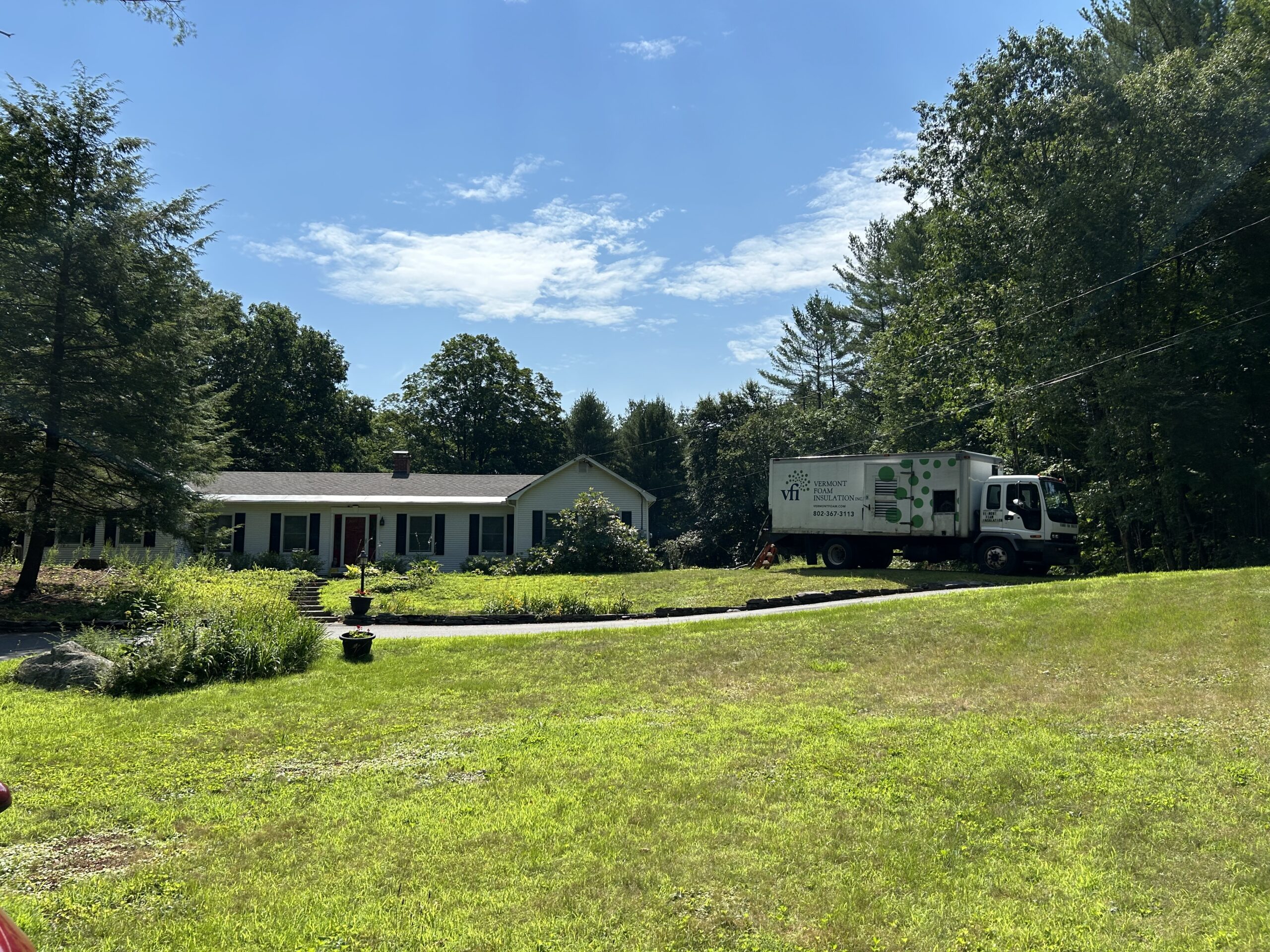
Are you dealing with a spare room that’s impossible to keep comfortable? Perhaps it’s a space over the garage that feels immediately stifling once summer arrives, and leaves your guests shivering in the winter. It’s a common scenario in many aging Vermont homes, and it’s a clear sign that your home’s building envelope isn’t performing as one cohesive system. It’s tempting to try to quick-fix that single uncomfortable spot with a portable heater or a window AC unit, but that only addresses the symptom. Even if just one room is constantly too hot or too cold, it means your whole house is wasting energy and costing you money. The Whole-Home Difference Every section of your home, from the attic down to the basement, is a critical component that contributes to your overall energy efficiency. Leaving even one area poorly or under-insulated creates weak points where conditioned air escapes in the summer and cold outside air infiltrates in the winter. This continuous air movement is what makes your home drafty, driving up heating and cooling costs simultaneously. Does Extra Insulation Really Help? We hear this question all the time. In our experience installing spray foam in homes and verifying our results, …

Blown-In Cellulose or Spray Foam Insulation: What’s the Difference?
As more Vermont homeowners take steps to improve their homes’ energy efficiency, many are starting to ask smarter questions, especially when it comes to insulation. More specifically, a desire to know the difference between blown-in cellulose and spray foam insulation. Both types have their place, so here’s what you need to know before starting your next insulation project. The Two Most Common Types of Insulation Blown-In Cellulose Insulation Blown-in cellulose is made from recycled paper materials treated for fire and pest resistance. It’s typically used to insulate attic floors and sometimes wall cavities, especially in older homes that need a boost in R-value (the measure of resistance to heat flow). It’s installed using a machine that blows the insulation out of a wide hose, creating a blanket of coverage. Spray Foam Insulation Spray foam insulation starts as a liquid and expands rapidly once applied, then hardens. Spray foam fills gaps, cracks, and crevices before curing into a durable, high-performance insulation layer. There are two types: open-cell and closed-cell, with closed-cell offering higher R-values and excellent moisture vapor resistance. What Problems Do They Each Solve? Blown-In Cellulose: Spray Foam: In most cases, spray foam offers superior performance by solving both air …

Get Up to $10,000 Back on Insulation for Your Vermont Small Business
If you’re a small business owner in Vermont, there’s big news for those looking to improve their buildings: Efficiency Vermont’s Building Performance rebate is increasing to $10,000 starting in Q4 2025 for eligible commercial and mixed-use buildings. This expanded rebate is a game-changer for businesses looking to cut energy costs, improve comfort, and prepare for long Vermont winters. At Vermont Foam Insulation, we know how painstaking it can be to navigate the ever-changing world of energy efficiency incentives. But don’t be intimidated by the red tape, because now is the perfect time to plan insulation upgrades for your commercial property. Why This Matters for Vermont Businesses With rebates of up to $10,000, your investment just got a lot more affordable. Whether you operate out of a converted residential space, a mixed-use building, or a traditional commercial property, the cold months can bring high heating bills, drafty interiors, and customer discomfort. Upgrading your insulation now helps you: Improving on Some of the Country’s Best Incentives Efficiency Vermont’s commercial rebate expansion adds to an already strong lineup of incentives: Even in a time of uncertainty around federal programs, Efficiency Vermont’s rebates are fully funded and secure through 2025, giving you peace of …

Is a Home with New Siding Energy Efficient with Old Insulation?
New siding won’t improve your home’s energy efficiency without the right insulation. Adding insulation when replacing siding will improve efficiency and reduce your energy costs. Learn more from Vermont Foam Insulation, the leading spray foam insulation contractor near you.

Fix Cold Floors for Good with Crawlspace Insulation & Encapsulation
Keep your floors warm this winter with help from Vermont Foam Insulation. Learn how whole-home solutions like basement insulation, attic insulation, and air sealing work together to fix cold floors and make your entire home more comfortable. Get started with your local spray foam insulation company today!

What Financial Incentives Will Be Available for Insulation Installation in Vermont in 2026?
As energy costs show no signs of falling, and temperatures will start plummeting for the winter, homeowners are looking for smart ways to improve comfort and cut heating bills. Upgrading the insulation in your home to high-performance materials like spray foam insulation is a guaranteed way to improve comfort, as well as efficiency. Until now, many homeowners have been able to combine state rebates with the federal 25C tax credit to offset the cost of insulation and air sealing, but change is coming at the end of 2025. The federal Energy Efficient Home Improvement Credit (25C), which has provided 30% back on insulation material costs, up to $1,200 per year, is set to expire at the end of 2025. Fortunately, there will still be great insulation rebates available in 2026! In the mean time, here’s a look at what’s going away, what you can still take advantage of, and how you can save big on making your home warmer, healthier, and more energy efficient. The Federal 25C Tax Credit Is Ending After 2025 The 25C tax credit, officially called the Energy Efficient Home Improvement Credit, was expanded under the Inflation Reduction Act to help homeowners offset the cost of energy-efficient …
Does Every Home Need a Vapor Barrier?
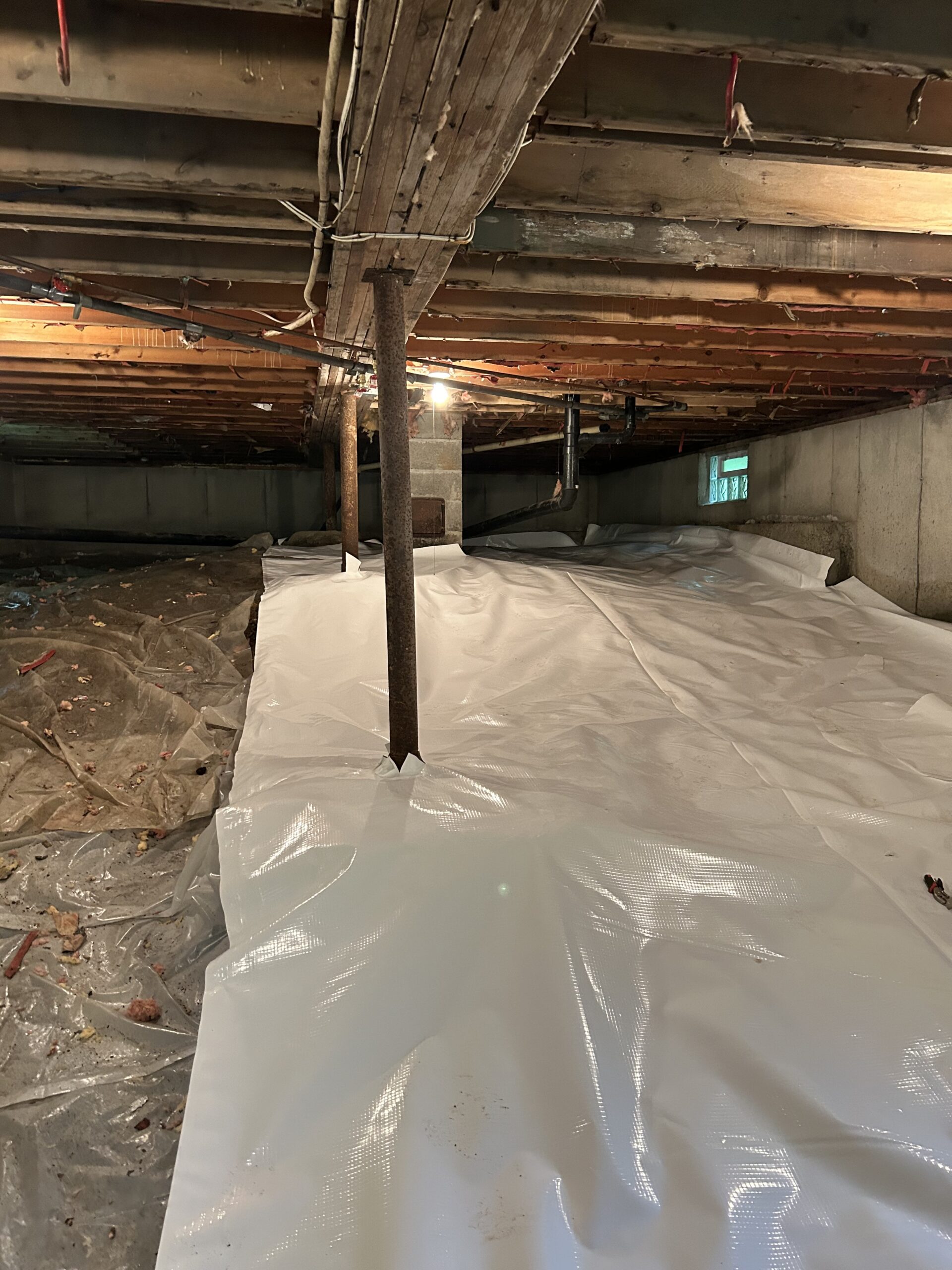
When it comes to protecting your home from moisture issues and ensuring optimal indoor comfort, the terms “vapor barrier” and “vapor retarder” often come up. But do you know which one your home needs? This comprehensive guide will delve into the differences between vapor barriers and vapor retarders, the dangers of moisture infiltration, and the areas in your home where these protective measures are most crucial. Ultimately, while every home requires moisture control, the specific needs for vapor barriers or vapor retarders vary based on individual circumstances, depending on, but not limited to, things like conditions and geographic locations & climates. Understanding Vapor Barriers and Vapor Retarders What is a Vapor Barrier? A vapor barrier is designed to prevent almost all moisture from passing through. It’s classified as a Class I material, with a permeability rating of less than 0.1 perms. This high level of moisture resistance makes vapor barriers essential in areas prone to significant moisture exposure. VAPOR BARRIER EXAMPLE: 12 MIL plastic for covering exposed dirt floors What is a Vapor Retarder? Vapor retarders, on the other hand, have a permeability rating between 1 and 10 perms, placing them in Class II and above. While they slow down …

Professional Spray Foam Installation: How Vermont Foam Insulation Does It Right
Learn why moisture remediation, ventilation, and safety equipment are crucial to spray foam insulation. Vermont Foam Insulation safely installs spray foam.
What’s the Best Insulation for Basement Walls?
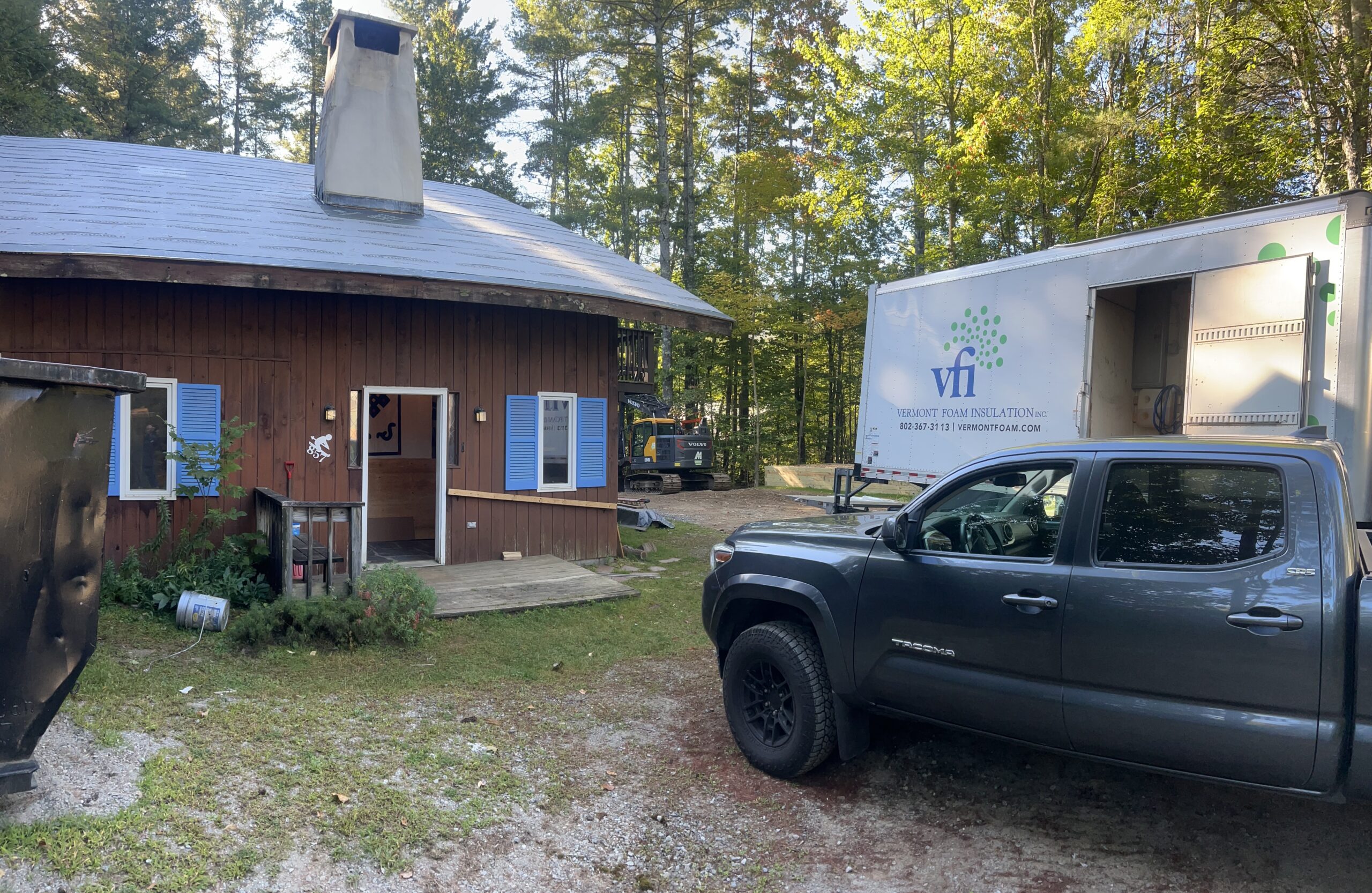
Basement walls are prone to cracks and degraded (or nonexistent) insulation, leading to a myriad of symptoms you can feel throughout your home. Choosing the right insulation for your basement boosts your home’s comfort and air quality while reducing your energy bills. At Vermont Foam Insulation, we specialize in upgrading homes across the state and even into New Hampshire with insulation removal and high-performance spray foam and cellulose insulation. When it comes to basement walls, spray foam insulation stands out as the best choice for long-term performance, moisture control, and indoor air quality. Why Basement Insulation Matters Basement walls sit directly underneath the conditioned spaces of your home. Whether your basement is finished or unfinished, this area plays a major role in your home’s energy efficiency and comfort. Without proper insulation, basements often experience: Because basements in New England are partially or fully below grade, they’re prone to ground moisture intrusion. Concrete and block walls can absorb and transfer moisture, even without visible leaks. That’s why a high-performance, encapsulated insulation solution—one that seals and insulates—is essential. The Best Insulation for Basement Walls: Spray Foam Spray foam insulation is, in our experience, the most effective option for insulating basement walls. Here’s …

The Insulation Tax Credit Ends December 31—Don’t Miss Out on $1,200 in Savings!
A recent change in federal law means the insulation tax credit—worth up to $1,200—is ending sooner than expected. The last day to complete qualifying projects and still be eligible for the credit is December 31, 2025. That gives you a very limited window to complete insulation and air sealing upgrades and still claim your savings! If you’ve been thinking about improving your home’s comfort and energy efficiency, the time to act is now. A New Law Just Eliminated the Insulation Tax Credit Early The Energy Efficient Home Improvement Credit (also known as the insulation tax credit) was originally set to run through 2032. But Congress just passed legislation cutting the program short. After December 31, 2025, this credit will no longer be available. That means to qualify, your project must be completed—not just scheduled—before the end of 2025. If your work is finished by the deadline, you’ll still be able to claim the credit when you file your 2025 taxes (likely in early 2026). But any upgrades completed after the cutoff will no longer be eligible. A Limited Time Opportunity to Boost Comfort and Lower Energy Bills—For $1,200 Less! Waiting could mean leaving up to $1,200 in savings on the table. That’s …

Hot Second Floor? It Could Be Your Insulation!
Does your upstairs feel like a sauna every summer, no matter how low you set the thermostat? If you’re constantly asking, “Why is my second floor so hot?”, you’re not alone. Many Vermont homeowners struggle with overheated upper levels, but the real culprit may be your attic insulation. Here’s how: Why Is My Second Floor So Hot? During the summer, the sun beats down on your roof all day long. If your attic isn’t properly insulated and sealed, that heat doesn’t just stay in the attic; it seeps through the ceiling and walls, raising the temperature of your second floor, and keeping it that way. This problem is especially common in older Vermont homes, where insulation standards were much lower than they are today. Even newer homes can suffer if the attic insulation wasn’t properly installed in the first place. Over time, gaps and cracks can develop, allowing hot air to infiltrate and conditioned air to escape. Signs You Need Attic Insulation A hot second floor is often just one sign that your home’s envelope isn’t properly sealed against the elements. Other signs that your home needs an attic insulation upgrade include: Why Spray Foam Insulation Is the Game-Changer for …
Want to Save Big on Insulation? Here’s How to Stack Vermont Rebates
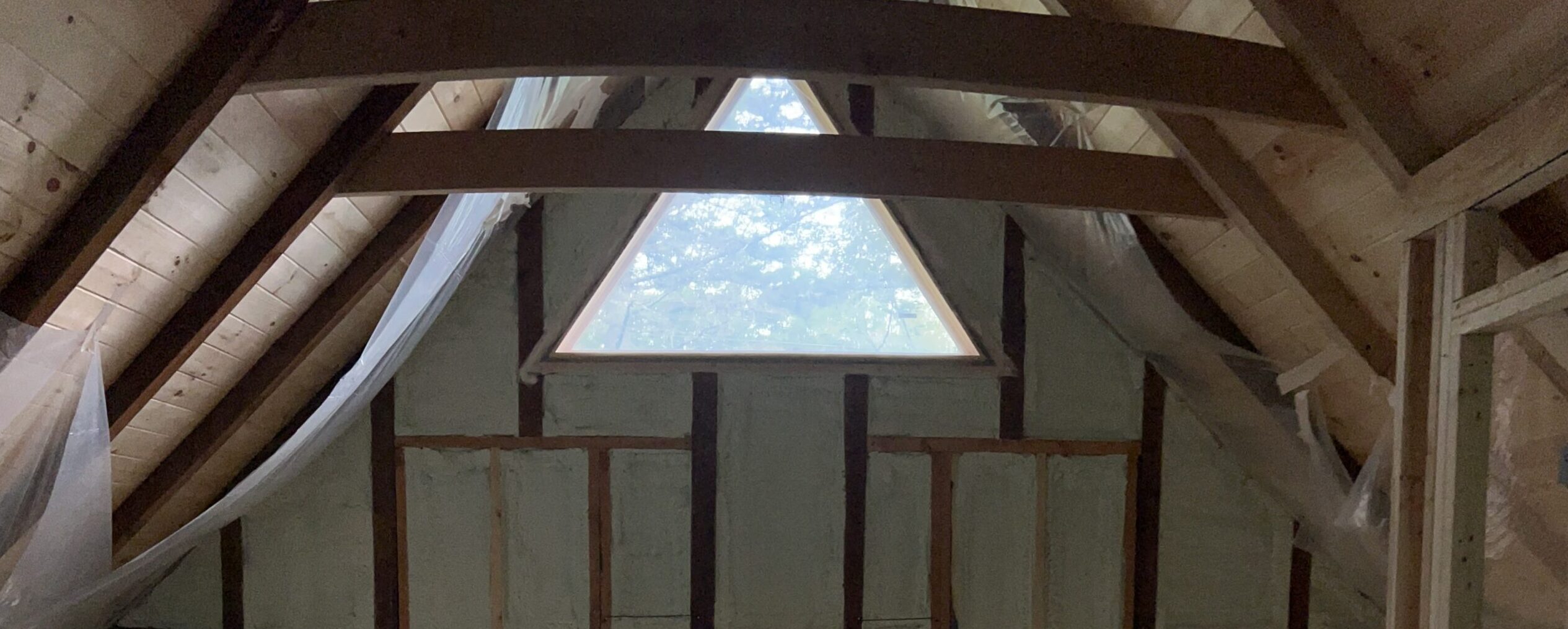
Upgrading your home’s energy efficiency can be one of the smartest money-saving and comfort-enhancing decisions you make. Right now, you can save big on insulation, heating and cooling upgrades, and other home improvements that increase energy efficiency with rebates and incentives. In Vermont, where winters are long and heating costs are high, the key to unlocking real savings lies in both how and when you make improvements. From a building science standpoint, there’s a right way to approach these projects—and it starts with your building envelope. In this guide, we’ll walk through how to sequence your upgrades the smart way, why insulation comes first, and how Vermont homeowners can stack rebates and tax credits to dramatically reduce upfront costs. Start with the Envelope: Why Insulation Comes First Think of your home as an interconnected collection of systems, where changes in one area of the home can affect a completely different area or system. Before upgrading your heating system or adding a new heat pump, you need to make sure they are the right size. That’s where insulation and air sealing come in. Upgrading insulation improves your home’s thermal boundary, keeping heated or cooled air inside and outdoor temperatures out. But …


